Revco Logo_White
All Image Cards for Website (4)-1

Revco's Revenue Roundtable spotlights revenue cycle leaders who are redefining performance and the patient financial experience. Real innovations, measurable wins, and practice insights from the teams moving healthcare forward.

Subscribe for Updates:

How WakeMed Cut Service Access Team Turnover in Half

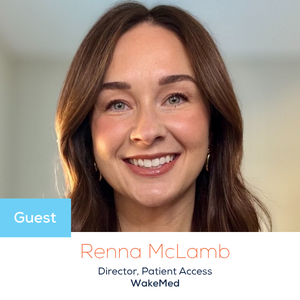
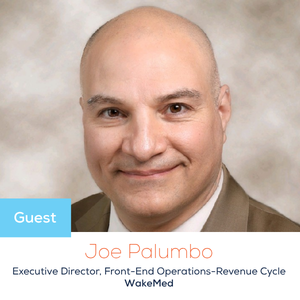
 In this episode of Revco’s Revenue Roundtable, Lori Jeffreys sits down with Renna McLamb,  Director, Patient Access, and Joe Palumbo, Executive Director, Front-End Operations-Revenue Cycle at WakeMed, to learn how WakeMed reduced service access turnover from 30% to 14% in just one year and the impact that workforce stability can have on both financial performance and the patient experience.


WakeMed Renna
WakeMed Joe

Read the Full Interview

Reducing turnover requires more than filling open positions. It requires creating an environment where employees feel supported, engaged, and connected to the mission of patient care.

Throughout the discussion, WakeMed leaders Renna McLamb and Joe Palumbo explore the operational and cultural changes that are driving lasting results, including leadership development, behavioral-based hiring, standardized onboarding, structured mentorship, consistent coaching, employee recognition, and meaningful one-on-one engagement. The conversation also highlights how investing in front-end teams improves registration quality, insurance verification, authorizations, clean claim performance, denial prevention, point-of-service collections, and the overall patient experience.

Whether you're leading patient access, revenue cycle, or healthcare operations, this episode offers practical strategies for building resilient teams, strengthening organizational culture, and improving financial performance by investing in the people who represent the front door of healthcare.

Before we talk about solutions, can you share what the environment looked like when turnover was above 30%? What operational or cultural impacts were you seeing?

Following COVID, turnover across our emergency department registration teams was exceptionally high. Leaders were spending so much time filling vacancies, interviewing, onboarding, and covering shifts that they had very little time left for coaching or developing their teams. Every new hire required roughly six weeks of training, so as soon as one person became productive, someone else was leaving. We had almost accepted high turnover as part of an entry-level role, but the operational strain and impact on morale made it clear we couldn't continue operating that way. 

The program was designed as a sustainable talent pipeline within Revenue Cycle Operations (RCO), one that develops leaders who understand how decisions at one point in the cycle impact financial performance, compliance, and patient experience downstream. From the start, the goal was not just education, but readiness: preparing fellows to step into high‑impact roles upon completion of the program.

What made your organization decide that workforce stabilization needed to become a strategic priority versus simply an HR challenge?

The turning point came when we looked beyond staffing numbers and asked what was preventing our leaders from being successful. Our leaders were stretched thin, particularly after COVID, and we realized turnover wasn't simply an HR metric—it was limiting our ability to support employees, deliver a consistent patient experience, and maintain operational performance. Once we recognized the broader impact, retention became a strategic priority for leadership, not just Human Resources. 

When you first evaluated the root causes behind turnover, what surprised you the most?

The biggest surprise was that many of the reasons employees were leaving were things we could influence. Exit interviews consistently showed employees were leaving for physician practices where they earned similar pay but had more predictable schedules, weekends and holidays off, and lower stress. We also realized we had overlooked opportunities to better support our leaders and create career paths for employees who wanted to stay and grow. 

What were the first few changes you implemented that created early momentum or employee trust?

The first step was presenting leadership with the financial case for differentiated pay in the emergency department. Once that was approved, employees saw that leadership was serious about investing in them. From there, we standardized behavioral-based interview questions, involved frontline staff in hiring, redesigned onboarding, created competency assessments, assigned preceptors, and established a more consistent training experience across all locations. Those changes built confidence that we were committed to setting employees up for success. 

How important was frontline leadership visibility and communication in improving retention?

It was one of the most important factors. Employees wanted leaders who were visible, approachable, and engaged—not only when something went wrong, but consistently. Building relationships, rounding regularly, maintaining open communication, and making time for one-on-one conversations created trust and helped employees feel supported both professionally and personally. 

Many healthcare organizations focus heavily on recruitment. How did your team shift attention toward retention and employee experience?

Rather than focusing solely on filling vacancies, we focused on creating an environment where people wanted to stay. That meant improving compensation where appropriate, hiring for cultural and behavioral fit, strengthening onboarding, providing consistent training, investing in leaders, and helping employees feel like they were joining a team rather than simply starting a job. 

What operational workflows or workplace frustrations were contributing most to burnout or disengagement?

 Open positions created a cycle where remaining employees worked more overtime, leaders had less time to coach, and new hires constantly entered training. The emergency department environment also presented unique challenges with unpredictable schedules, high patient volumes, emotionally difficult situations, and complex registration requirements. Over time, those pressures affected morale and engagement. 

How did you involve frontline staff in identifying problems and shaping solutions?

 We intentionally included frontline employees throughout the process. Team members participated in interviews, helped improve onboarding, provided ongoing feedback about workplace challenges, and shared ideas during regular conversations with leaders. We wanted employees to know their voices mattered and that they had a role in shaping improvements, not just adapting to them. 

Did scheduling flexibility, training, onboarding, or career development play a role in the improvements you achieved?

 Absolutely. We recognized the unique demands of emergency department roles and adjusted compensation accordingly. We standardized onboarding across locations, implemented competency testing, assigned preceptors, developed consistent education materials, and reinforced that onboarding wasn't simply about learning systems—it was about helping employees feel welcomed, supported, and connected to the team from day one. 

What role did recognition, coaching, and employee feedback loops play in reducing turnover?

 We moved beyond annual performance reviews and implemented monthly one-on-one meetings between employees and their supervisors. Those conversations included performance, but they also focused on career goals, personal development, workplace challenges, and recognition. Employees wanted regular feedback, and those conversations helped strengthen relationships, identify concerns early, and reinforce that leaders genuinely cared about their success. 

In service access environments, teams often deal with high patient emotion, volume, and pressure. How did you help staff feel supported while still maintaining operational performance expectations?

We invested in preparing employees for those situations through de-escalation training, workplace violence prevention, and organizational development programs. We also created emotional support resources, including debrief sessions after difficult events. Supporting employees wasn't viewed as separate from performance—it was essential to helping them provide compassionate, consistent care while maintaining operational excellence.

Beyond lowering turnover rate, what additional operational improvements did you begin to see?

As workforce stability improved, we saw measurable operational gains. Teams became more focused on registration accuracy, eligibility, denial prevention, work queue management, clean claim performance, point-of-service collections, and consistent patient communication. Frontline staff also became more involved in revenue cycle and clinical improvement initiatives because they understood the impact their work had across the organization. 

What are you monitoring now to ensure turnover trends do not start rising again?

 Retention isn't something you solve once—it's something you continually invest in. We continue reviewing onboarding materials, updating education as payer requirements evolve, maintaining monthly one-on-one meetings, rounding with staff, listening to employee feedback, and looking for opportunities to support career development before employees begin considering leaving. 

What advice would you give other healthcare leaders who feel stuck in a constant cycle of turnover?

Don't accept turnover as "just part of the job." Take time to understand why people are leaving, listen to your employees, and invest in your leaders. Many improvements don't require large-scale initiatives—they come from building relationships, communicating consistently, hiring for behavioral fit, strengthening onboarding, and creating an environment where employees feel valued and supported. 

If you could leave healthcare leaders listening today with one key takeaway about building stable, engaged service access teams, what would it be?

Leadership matters. Employees' experiences are shaped by the leaders they work with every day. Leaders who communicate openly, follow through on commitments, celebrate successes, involve employees in decisions, and genuinely care about their people build trust—and trust is the foundation of retention. Strong relationships don't just improve workforce stability; they create stronger teams, better patient experiences, and better operational outcomes. 

Stay Connected to the Revenue Roundtable

The Revenue Roundtable series is designed to share real-world insights from the healthcare revenue cycle leaders tackling today’s most pressing challenges. If you found this discussion valuable, make sure you don’t miss future episodes! There are plenty of ways to tune in: 

We hope you join the conversation and stay informed on the strategies shaping the future of healthcare revenue cycle operations!

Expert Healthcare RCM Solutions
Built on Partnership & Performance

rev cycle wheel
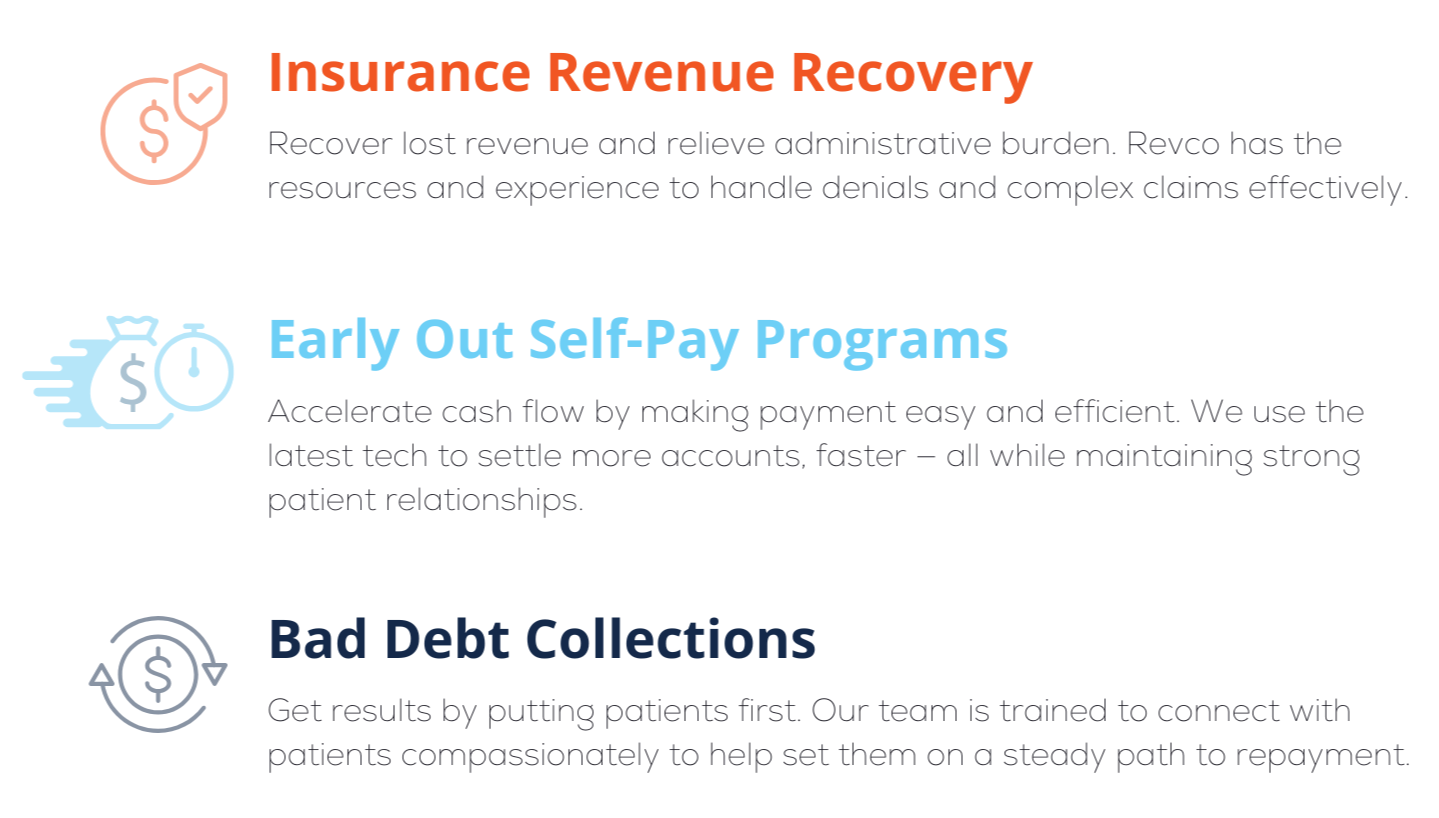
Revco Services Graphic-1-1
PER_Box-logo_square

Revco's solutions are HFMA Peer Reviewed! The Peer Review process is an 11-step, objective evaluation by a panel of clients, prospects that have not made a purchase, and industry experts on the effectiveness, quality and useability, price, value, and customer and technical support of Revco's offerings. 

What We Do

Who We Are

Revco is a leading healthcare revenue cycle management services organization dedicated to maximizing cash recoveries by raising the standards of culture, service, and the patient financial experience. Our suite of RCM services leverages leading business intelligence, advanced omni-channel communications technology, and security, including SOC2 and HITRUST r2 certifications.
What sets us apart isn’t just how well we do what we do — it’s the team who does it. Our team is the most tenured in the industry, going beyond just leadership to each representative working your accounts. Our accountability to each other guarantees the best performance, patient experience, and protection for the thousands of practices, hospitals, and health systems that trust Revco.

Your RCM Partner Should be as Committed to Your Mission as Your Own Team

Schedule a 30-minute strategy session to explore how Revco can partner with your organization to accelerate cash flow, maximize recovery, and improve the patient financial experience by proving one connected experience for your patients.